- How topical vitamin C complements broad-spectrum sunscreen as an antioxidant.
- Comparing pure L-ascorbic acid with gentler derivatives for sensitive skin.
- How to spot an oxidised serum and store vitamin C properly.
- Where vitamin C fits in a morning routine.
Vitamin C is one of the best-studied topical antioxidants in skincare. Applied in the morning underneath broad-spectrum sunscreen, it helps neutralise free radicals generated by UV light and urban pollution, while gradually supporting brighter, more even-looking skin tone.
Choosing a Form That Matches Your Tolerance
- L-Ascorbic Acid (10%–20%): The most extensively researched form. Effective, especially when paired with vitamin E and ferulic acid, but formulated at an acidic pH that can sting sensitive or barrier-stressed skin and oxidises faster.
- Gentler Derivatives: Sodium Ascorbyl Phosphate, Magnesium Ascorbyl Phosphate, Ascorbyl Glucoside, 3-O-Ethyl Ascorbic Acid, and oil-soluble Tetrahexyldecyl (THD) Ascorbate are generally more stable and comfortable for sensitive skin, though they have smaller clinical datasets than L-ascorbic acid.
How to Use Vitamin C in the Morning
- After gentle morning cleansing or rinsing, pat skin dry.
- Apply 3 to 4 drops of vitamin C serum evenly over face and neck.
- Follow with moisturiser (if needed) and broad-spectrum SPF 30+. Vitamin C never replaces sunscreen—it works alongside it.
Storage and Oxidation
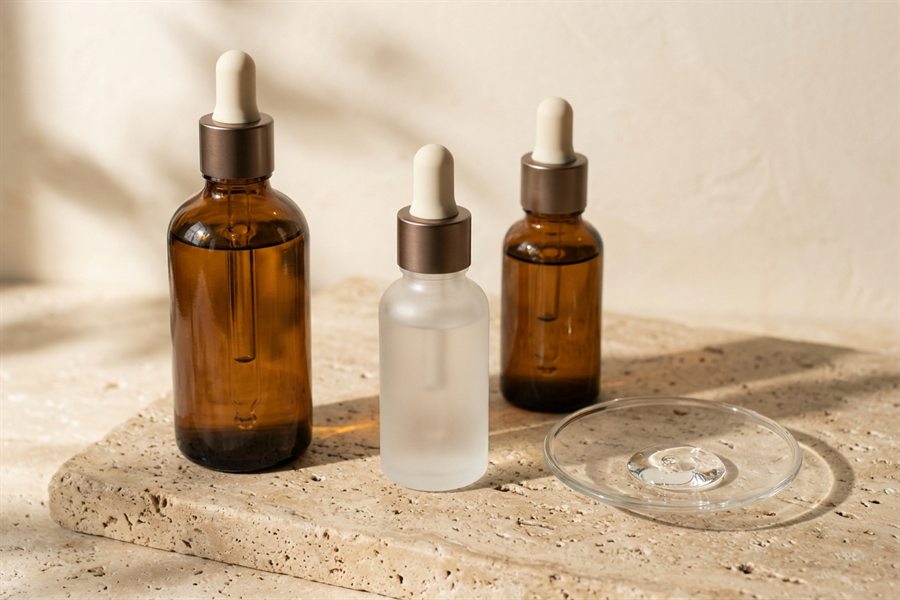
Look for opaque or dark amber air-restrictive packaging, close the cap promptly, and store away from bathroom steam and direct sunlight. Fresh L-ascorbic acid is clear to pale champagne; if it turns dark orange or brown and develops a sharp metallic odour, it has oxidised and is best replaced.
Choosing by Skin Type & Avoiding Common Mistakes
- Oily or resilient skin: Lightweight water-based 10%–15% L-ascorbic acid serums layer cleanly under fluid sunscreen.
- Dry or sensitive skin: Start with a gentler derivative (such as sodium ascorbyl phosphate, ascorbyl glucoside, or THD ascorbate) 3 mornings per week before building to daily use.
- Common mistake: Relying on vitamin C alone without daily broad-spectrum SPF—antioxidants complement UV filters but never replace them.
Frequently Asked Questions
Can I use vitamin C and niacinamide together?
Yes. Modern cosmetic formulations of vitamin C and niacinamide are compatible. If a low-pH L-ascorbic acid serum causes temporary flushing when layered directly with niacinamide, simply use vitamin C in the morning and niacinamide in the evening.
Can I use vitamin C at night instead of the morning?
Yes. Morning use is popular because it pairs directly beneath daytime sunscreen, but evening use is completely fine if you prefer a simpler morning routine.
This SkinOriva tutorial provides general skincare education based on current dermatology and public-health references. It does not diagnose skin conditions or replace care from a qualified healthcare professional. Always patch test new cosmetic products and review our Medical Disclaimer.